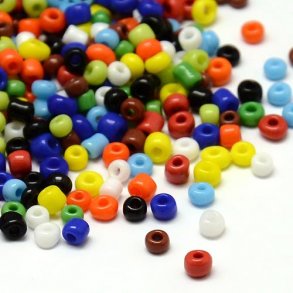
Seed beads and small beads: Origin, Manufacture and Use
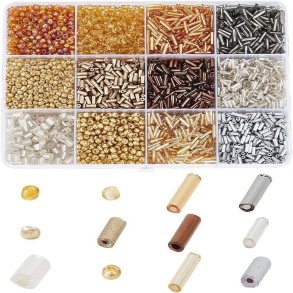
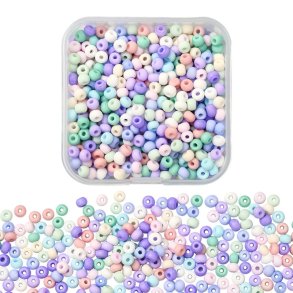
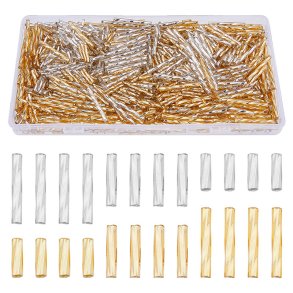
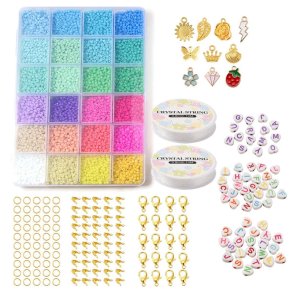
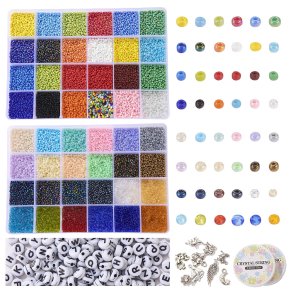
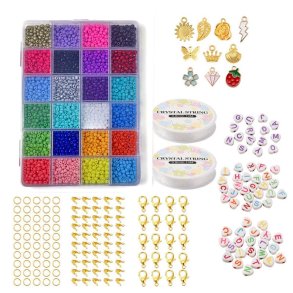
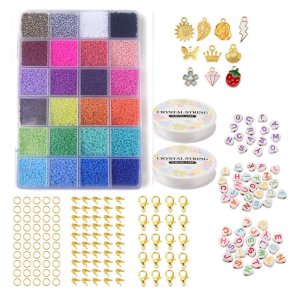
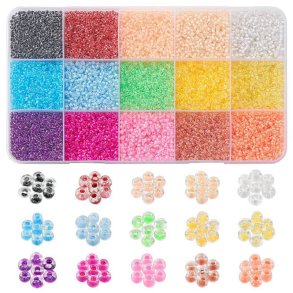
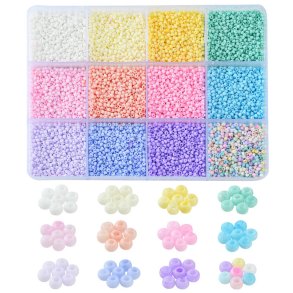
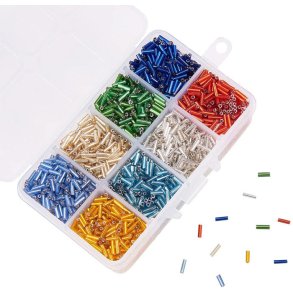
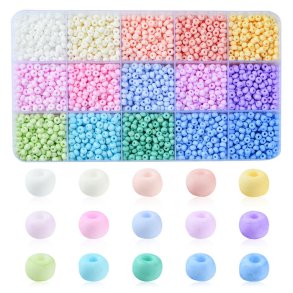
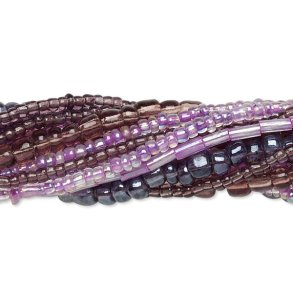
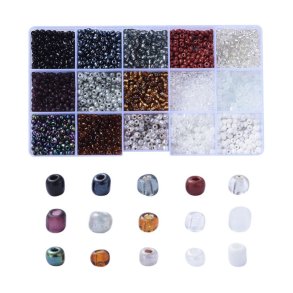
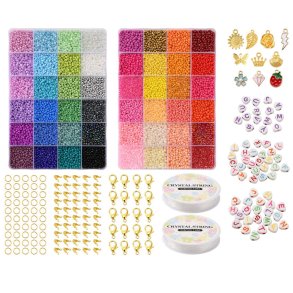
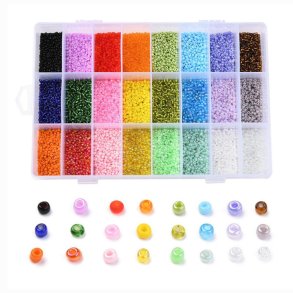
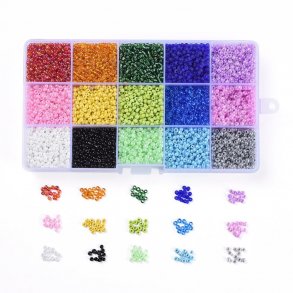
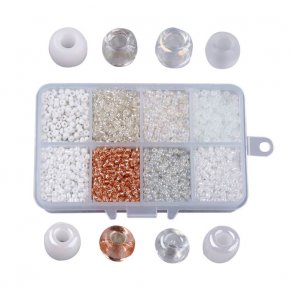
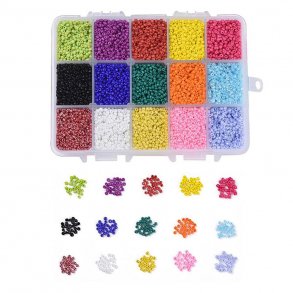
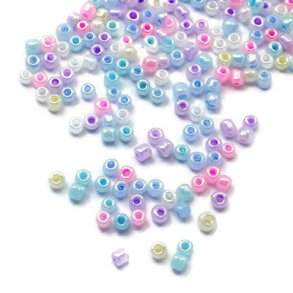
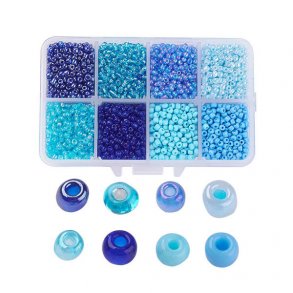
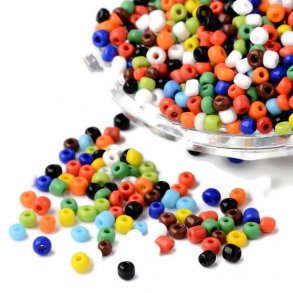
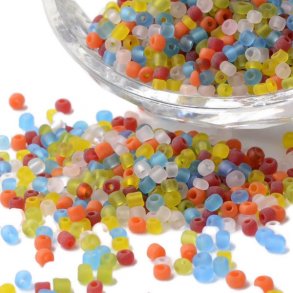
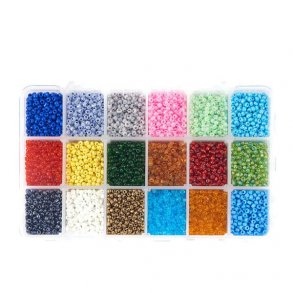
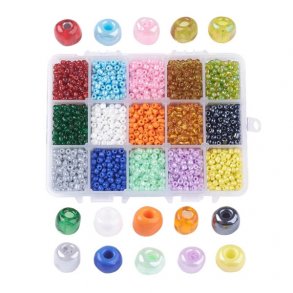
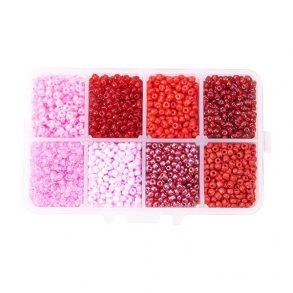
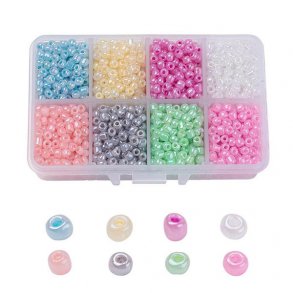
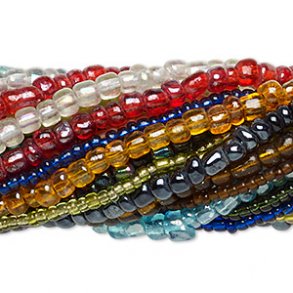
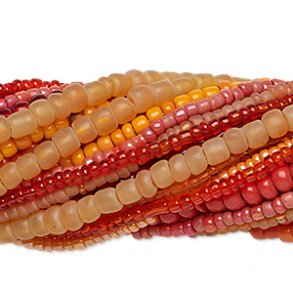
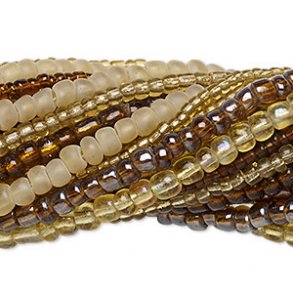
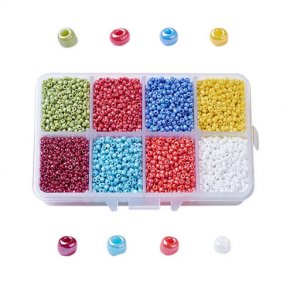
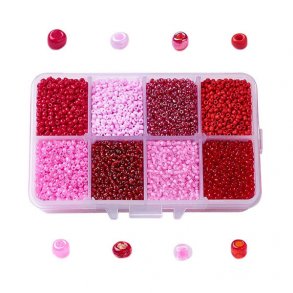
Seed beads and Rocailles are small, versatile beads that play an important role in crafts and jewellery making around the world. Seed beads originated in Europe and Japan and are primarily made from glass. They were originally developed in Venice and Bohemia (now Czech Republic) in the 15th century, but today Japanese brands like Miyuki and Toho are known for producing the most precise and consistent seed beads. These small, cylindrical or round beads are often used in bead weaving, bead sewing, embroidery and jewellery making due to their uniform shape and wide colour range.
In parts of Scandinavia Seed beads are also called Greenlandic beads as they have a special significance in Greenlandic culture, where they are traditionally used in national costumes and jewellery. The beads were originally imported from Europe as trade goods and have since gained a unique place in Greenlandic art, culture and crafts. Greenlandic beads vary in size and colour and are often used for necklaces, bracelets and decorative patterns on textiles.
Seed beads are generally used in stitching techniques such as peyote stitch, square stitch and bead weaving and free-form designs. Their popularity is due to their versatility, durability and ability to create detailed and colourful patterns. Today, they are used in both traditional crafts and modern jewellery design, making them timeless and culturally significant.
At Smyks.dk you'll find a huge DIY blog overview with jewellery tutorials and free guides on how to use the small seed beads in your own jewellery designs, whether it's for necklaces, earrings or bracelets.