



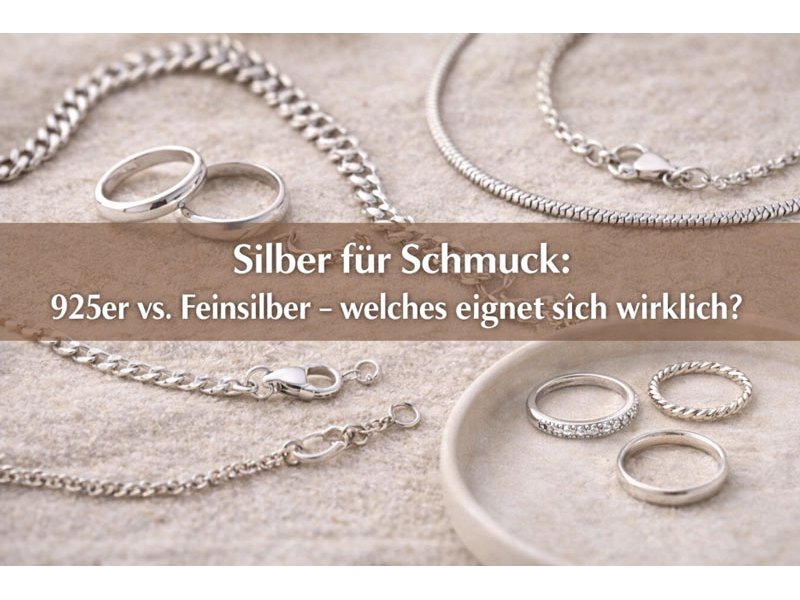
When making jewellery yourself, you will sooner or later face a fundamental question: Which type of silver is best for jewellery making? At first glance, 925 sterling silver and fine silver look very similar. Both shine beautifully, both are precious metals and both are widely used in jewellery. However, in practice they differ significantly.
If you want to create necklaces, bracelets, rings or earrings, the choice of material plays a key role in durability, design and comfort. In this guide we explain the difference between 925 sterling silver and fine silver (999 silver) and show which type of silver works best for different jewellery projects.
What does silver mean in jewellery making?
When people talk about silver for jewellery, they are not referring to just one material. There are several types of silver, each with a different purity level and different properties.
Pure silver, also called fine silver, consists almost entirely of silver. However, because it is very soft, it is often alloyed with other metals – usually copper – to make it stronger and more suitable for everyday jewellery.
In jewellery making, this difference is essential. Wires, chains, settings and clasps must withstand daily wear while still being easy to work with. That is why choosing the right type of silver for your project is so important.
925 sterling silver – properties, benefits and uses
925 silver, also known as sterling silver, contains 92.5% pure silver and 7.5% other metals, usually copper. This composition makes the material stronger and more durable than fine silver.
Because of this, sterling silver is one of the most widely used metals in modern jewellery. It is durable, flexible and relatively easy to work with.
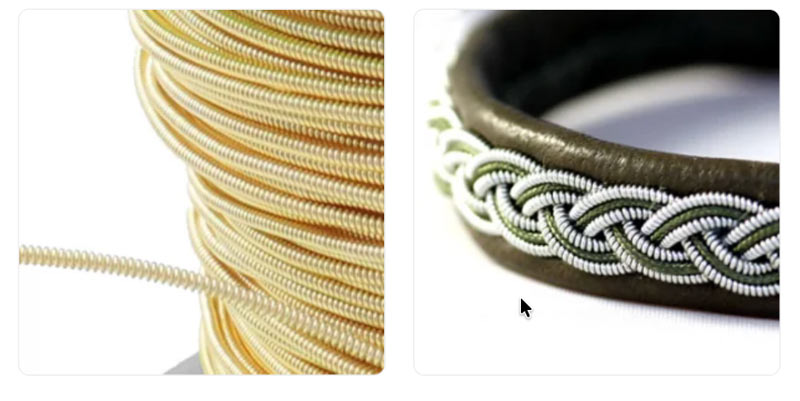
925 silver wire for jewellery making
When working with wire, sterling silver shows its advantages clearly. The material can be bent, shaped and soldered without becoming brittle.
For many DIY jewellery projects, materials such as silver wire, metal wire and tin wire are used to create flexible and durable designs.
925 sterling silver chains and jewellery components
Ready-made jewellery components made from sterling silver are also extremely popular. They are durable, stable and easy to combine with different jewellery styles.
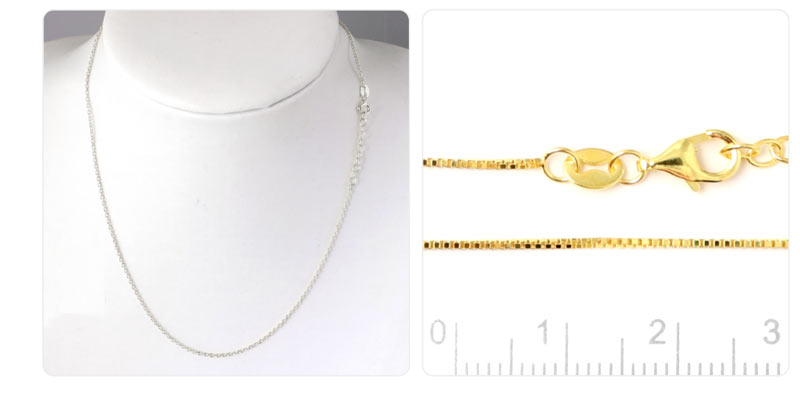
A 925 sterling silver chain is an ideal base for pendants and personalised jewellery designs.
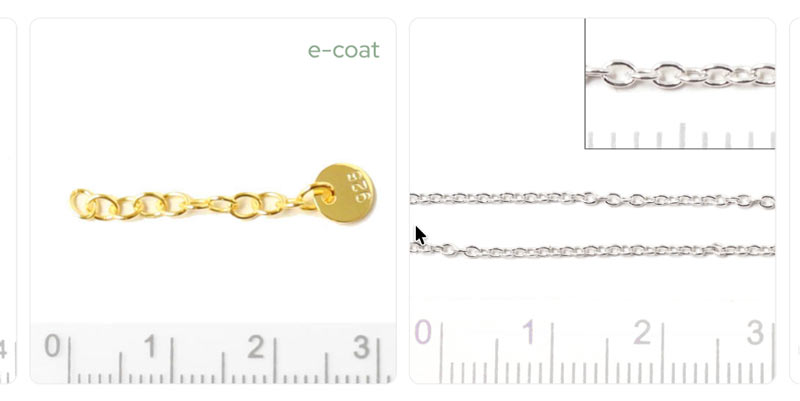
More advanced jewellery designs often require connectors such as jump rings, spacers or settings. silver and silver-plated jewellery components help combine functionality with creative design.
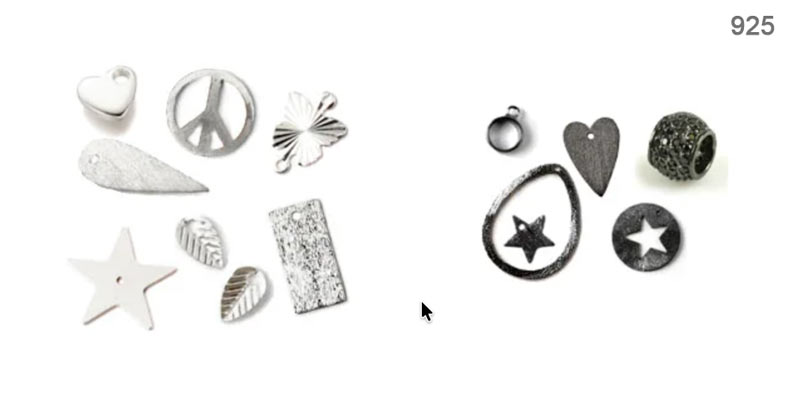
Thanks to its durability, versatility and elegant appearance, 925 sterling silver is one of the most popular materials for jewellery making.
Fine silver (999 silver) – when is it useful?
Fine silver contains at least 99.9% pure silver. This makes the metal extremely soft and easy to shape.
Because of this softness, fine silver is often used for decorative elements, cast pieces or small details in jewellery design.
However, for jewellery worn daily, the material can be too soft. Chains or bracelets made entirely of fine silver may bend or lose their shape over time.
For everyday jewellery it is therefore often better to choose stronger materials such as 925 sterling silver chains and bracelets.
925 silver vs fine silver – the key differences
Although both materials look very similar, they behave differently in practice.
- Fine silver – very soft and easy to shape
- 925 sterling silver – stronger and more durable
These differences are due to the composition of different silver alloys.
Which silver is best for different jewellery projects?
Jewellery for everyday wear
For jewellery such as necklaces, bracelets and earrings, 925 sterling silver is usually the best option.
For example, hoop earrings and creoles are often made from sterling silver because it keeps its shape better.
Decorative jewellery elements
Fine silver works well for pendants, cast pieces or delicate decorative details.
Many jewellery designs therefore combine both materials:
- 925 silver for structural parts
- fine silver for decorative accents
Skin compatibility and allergies
Silver jewellery is generally considered skin-friendly.
Fine silver contains almost no additional metals and is therefore often suitable for sensitive skin.
Sterling silver contains a small amount of copper, but high-quality 925 silver is still widely used in jewellery worn directly on the skin.
Care and maintenance of silver jewellery
Silver naturally changes over time. Tarnishing is a natural reaction between silver and the environment.
To maintain the shine of your jewellery, you can use silver care products.
Proper storage is also important. Keeping jewellery dry and protected from air will help prevent tarnish.
Conclusion – 925 sterling silver or fine silver?
The best choice depends on the purpose of your jewellery.
- 925 sterling silver is ideal for durable jewellery worn daily
- fine silver is best for decorative details and special pieces
Understanding the differences between these two materials helps you choose the right silver and create jewellery that is both beautiful and long-lasting.
We will publicly show your name and comment on this website. Your email is to ensure that the author of this post can get back to you. We promise to keep your data safe and secure.