



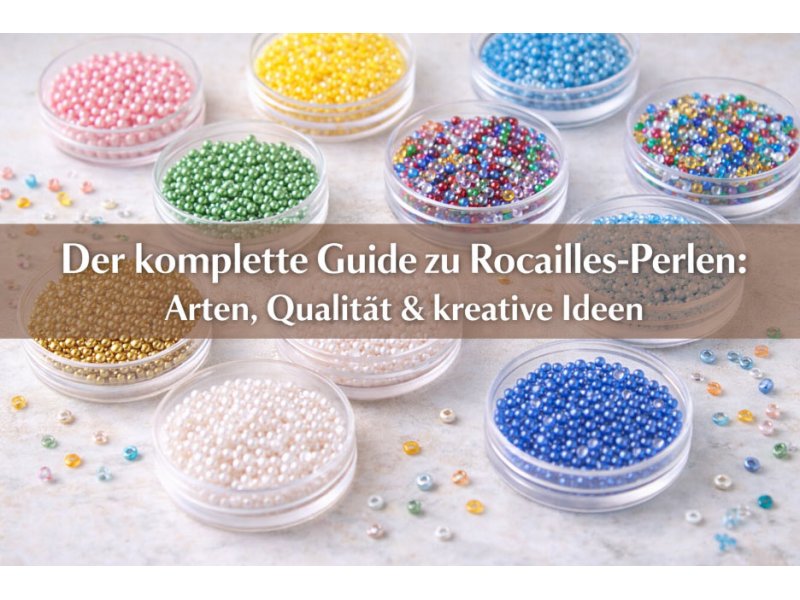
The Complete Guide to Rocailles / Seed Beads: Types, Quality & Creative Ideas
When it comes to tiny, delicate beads, Rocailles are impossible to ignore. These small glass beads are also commonly known as seed beads. They are used in an incredible variety of jewellery-making and craft projects. Whether for intricate bead weaving, detailed embroidery, simple bracelets or elegant earrings, Rocailles beads can be used almost anywhere. However, not all beads are the same, and the wide selection can sometimes feel overwhelming. In this guide, we will explore the different types of Rocailles beads, what to look for in terms of quality, and how you can use them creatively.
Why seed beads are popular for jewellery making
Seed beads are among the most widely used beads in jewellery making. These small glass beads – also known as seed beads – are used in everything from simple bracelets to advanced beadwork jewellery. Due to their size, wide range of colours and precision, they are perfect for both beginners and experienced jewellery designers.
Many people use seed beads to make bracelets, necklaces, earrings and decorative patterns in bead weaving. They can also be combined with other beads, charms or freshwater pearls to create unique designs.
What Are Rocailles Beads?
Rocailles are small, round glass beads that were originally developed for bead weaving and fabric embroidery. The name “seed beads” is quite fitting: like tiny seeds, they are arranged in rows, threaded onto strands, or woven into intricate patterns.
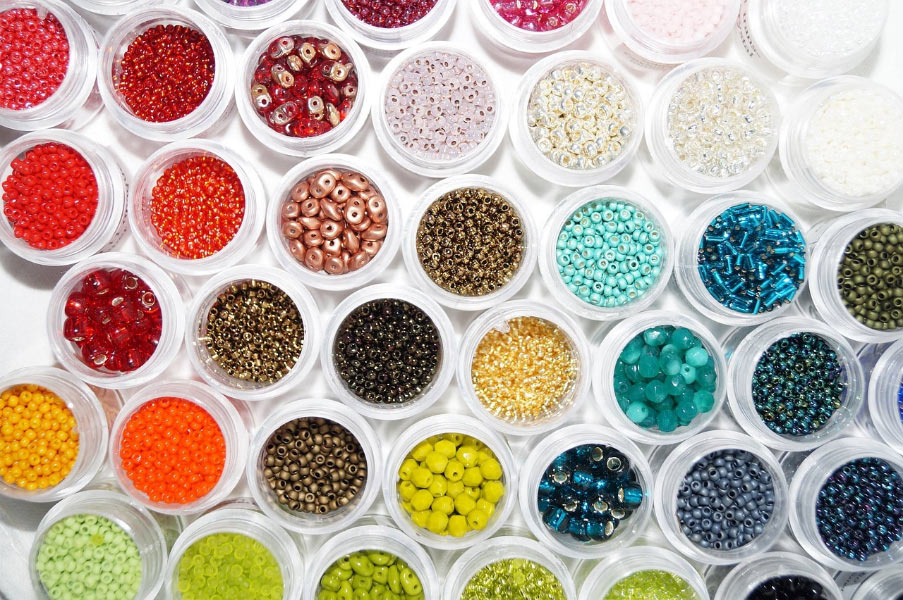
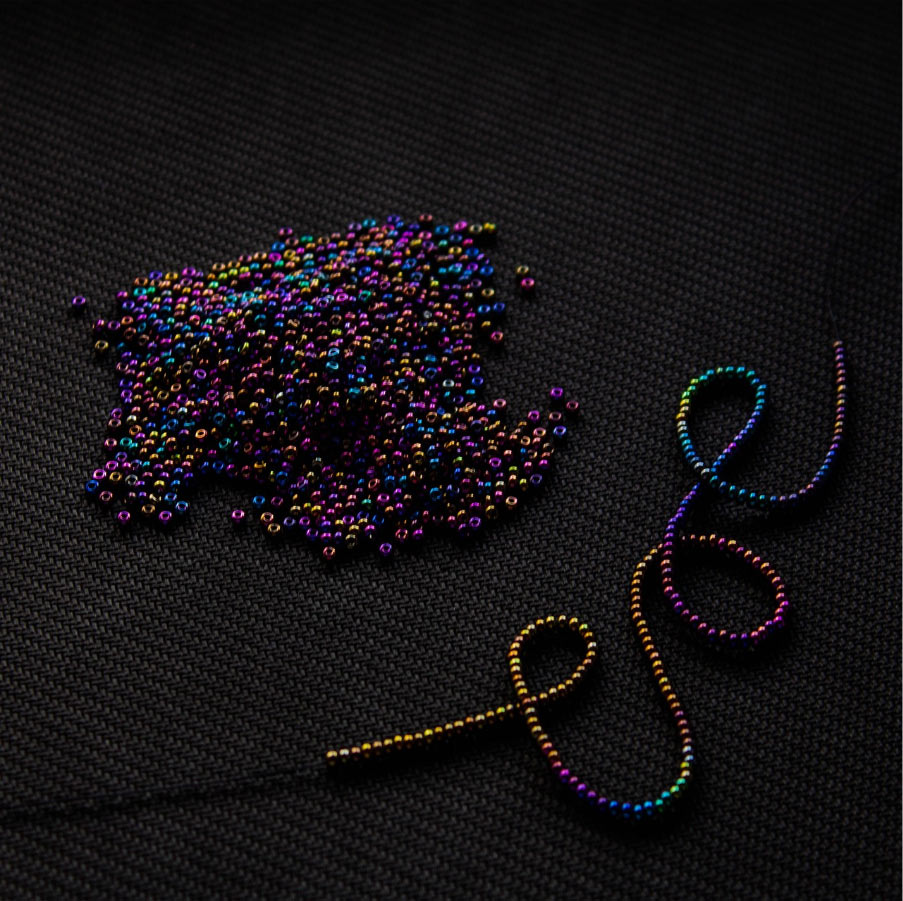
Their range of colours is enormous. From soft pastel shades to vibrant neon colours, as well as metallic and iridescent finishes, the possibilities are almost endless.
The appeal of these miniature beads lies in their versatility. Rocailles beads are suitable for both beginners and experienced jewellery makers. Beginners can start with simple patterns or delicate bracelets, while advanced bead artists can create complex designs using hundreds of tiny beads.
Rocailles beads are particularly popular in the jewellery industry, where they are frequently used in earrings, necklaces, bracelets and even rings.
Types of Rocailles Beads
Not all Rocailles beads are the same, which means jewellery makers have a wide range of options to choose from. Differences can be found in size, shape, surface finish and manufacturing quality. Choosing the right beads can significantly improve the final result of your project.
1. Rocailles Bead Sizes
Rocailles beads follow a standard sizing system: 6, 8, 10, 11 and 15. The higher the number, the smaller the bead.
- Size 6: The largest seed beads, ideal for bold patterns or jewellery with more volume.
- Sizes 8–11: The most common sizes. Perfect for bead weaving, embroidery and bracelets.
- Size 15: Extremely small beads that allow very delicate designs, ideal for fine bracelets or detailed jewellery work.
2. Surface & Finish
The surface finish greatly affects how the beads appear: do you prefer shiny, matte, metallic, iridescent or even transparent beads?
Shiny beads reflect light intensely, while matte beads offer a more subtle appearance. Metallic and iridescent finishes can add a unique highlight to jewellery designs.
3. Shape & Precision
High-quality Rocailles beads are typically cylindrical and highly uniform. Lower-quality beads may be slightly irregular, which becomes noticeable when creating patterns. For simple stringing projects such as bracelets, this is usually less critical.
If you want the best results, consider using Rocailles from Matsuno in Japan, which are well known for their precision and consistent quality.
Why Matsuno Rocailles Beads Are So Special
When discussing quality, Matsuno Rocailles beads deserve special attention. These beads are known for their consistent size, brilliant colours and durable craftsmanship. This precision is especially valuable for bead weaving and embroidery, as every bead fits perfectly and patterns appear clean and uniform.
Matsuno produces Rocailles beads in all standard sizes, from size 6 (the largest) to size 15 (the smallest). For creative jewellery projects, it is definitely worth trying these high-quality beads, as they can make the difference between a good piece of jewellery and an outstanding one.
Creative Ways to Use Rocailles Beads
Rocailles beads are incredibly versatile, and the creative possibilities are nearly endless. Here are a few ideas for inspiration:
1. Bead Weaving & Patterns
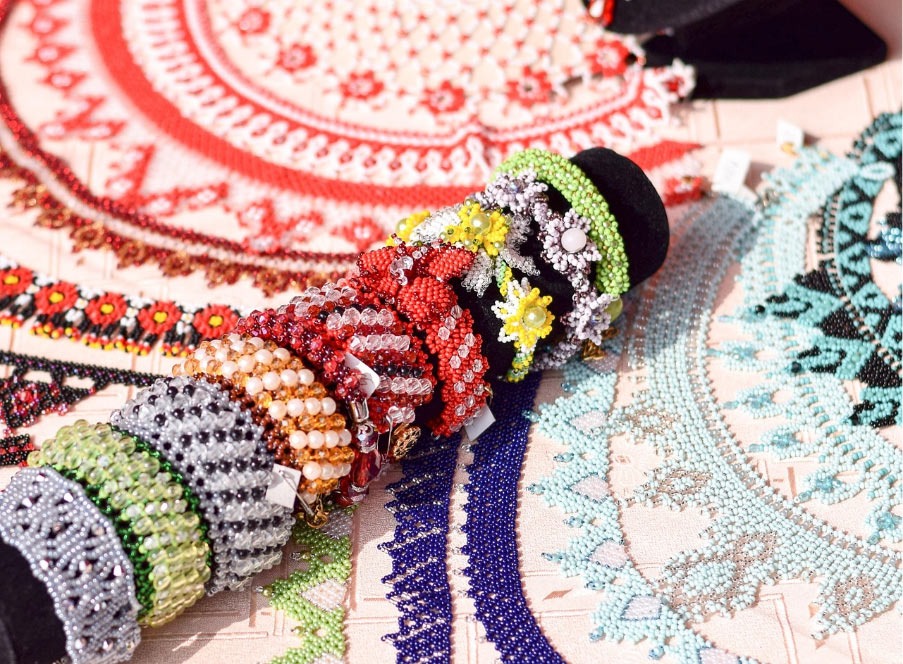
Classic bead weaving techniques allow you to create geometric or floral designs. By combining different sizes and colours, you can craft detailed bracelets, necklaces or even decorate small bags.
2. Fabric Embroidery
Seed beads can also be beautifully embroidered onto clothing, bags or accessories. They can create subtle accents or elaborate decorative patterns, depending on the occasion. Matsuno beads are particularly suitable due to their consistent shape.
3. Jewellery Making
Rocailles beads are also excellent filler beads for jewellery pieces. Earrings, bracelets, necklaces and rings can be made using their wide colour range and precise shapes. They are often combined with larger beads or crystals.
4. Creative Craft Projects
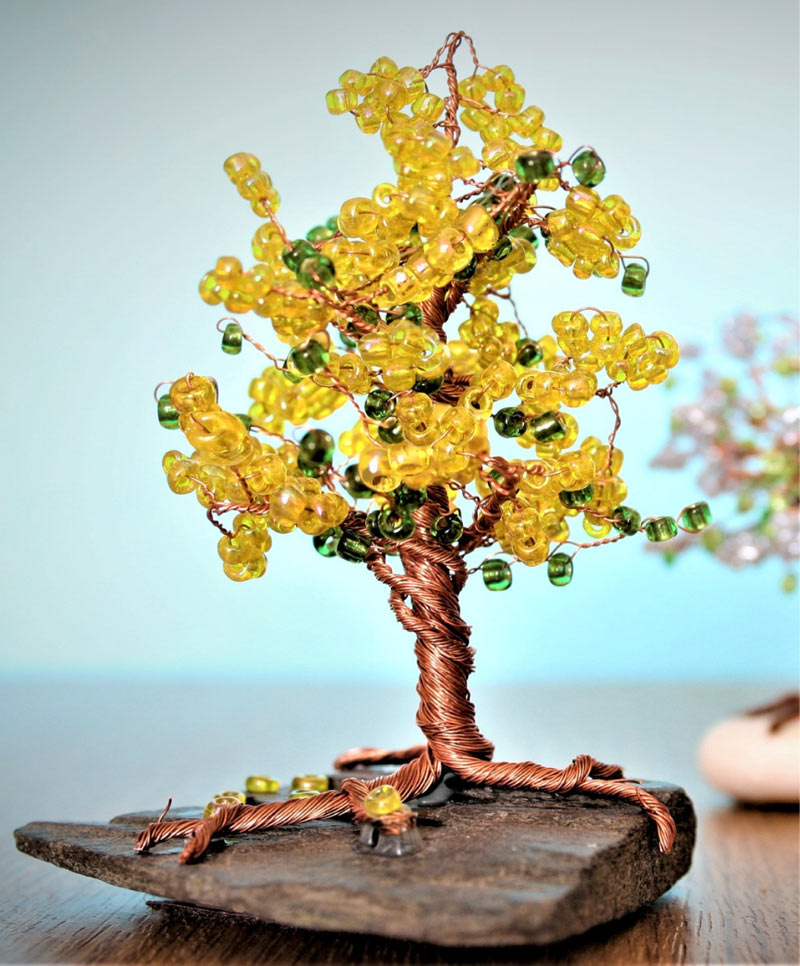
Beyond jewellery making, Rocailles beads can be used for keychains, bookmarks, small bead figures or decorative craft projects. The possibilities are limited only by your imagination.
Jewellery Inspiration with Rocailles Beads
Rocailles beads are extremely versatile. Here are a few creative ideas to get you started:
- Bracelets in pastel colours, matte or transparent finishes
- Combine different shades of the same colour, for example light blue, baby blue and turquoise
- Add charms such as moons or hearts, for example after every 10th bead
- Mix colourful transparent beads for a playful look
- Incorporate metallic gold beads
- Create colour gradients, for example from yellow to orange to red
- Use small freshwater pearls to add a touch of elegance
- String small bead flowers (“bead flowers”)
Rocailles beads can do it all!
Tips for Working with Rocailles Beads
Working with such tiny beads can feel challenging at first, but a few practical tips can make the process much easier:
- Use the right tools: Thin beading needles and durable beading threads make threading much easier.
- Sort by colour and size: Small bowls or bead boxes help keep everything organised.
- Work slowly: Patience pays off, especially with very small sizes such as 15.
- Choose quality beads: High-quality beads like Matsuno ensure more uniform patterns.
- Plan your projects: Sketching patterns in advance and planning colour combinations can help.
Avoid Common Mistakes
- Buying very cheap beads: They are often irregular and can ruin the final design.
- Using the wrong thread thickness: Thread that is too thick will not pass through small beads, while thread that is too thin may break.
- Not testing colours: Colours can look very different in the finished piece compared to how they appear in storage.
From delicate bracelets to striking earrings and decorative accessories, Rocailles beads are the tiny beads that make almost any creative project possible. Once you start using them, you will not want to work without them.
FAQs: Frequently Asked Questions About Rocailles Beads
1. What exactly are Rocailles beads?
Rocailles are small glass beads available in many colours and finishes. They are extremely versatile and commonly used for bead weaving, embroidery, and creating bracelets, necklaces and earrings.
2. Which Rocailles bead size should I choose?
It depends on your project. Sizes 8–11 are ideal for bracelets and simple patterns. For very delicate designs or bead flowers, size 15 works well. Size 6 is perfect if you want something more bold or robust.
3. How should I organise my beads?
Sorting boxes, small jars or beading trays are perfect for keeping colours and sizes separate. This keeps everything organised and gives you a clear overview of your bead collection.
4. Which thread should I use?
Thin, flexible beading threads are best for Rocailles beads. They should be strong enough to hold the beads but still thin enough to pass through the small holes. Popular options include nylon threads or FireLine, as they are strong, flexible and durable. For the smallest beads (size 15), always choose the thinnest needle and a fine thread.
5. How should I care for jewellery made with Rocailles beads?
Rocailles beads are made of glass and are therefore quite durable. However, it is still best to protect them from water, perfume and cosmetics whenever possible. Store finished jewellery in a fabric pouch or jewellery box.
We will publicly show your name and comment on this website. Your email is to ensure that the author of this post can get back to you. We promise to keep your data safe and secure.